
Build
Custom software and AI agents made for how your business actually works. Not a template with your logo on it — systems designed around your process, your data, and the people who use them.

Custom Software · AI Agents · Automation
We automate processes, support, and repetitive tasks so your company moves faster, with more order and control.

Your team loses hours on manual work a system should handle on its own. Your tools don't talk to each other, and you're the bridge between them. Or you already paid for software that was left half-finished when the vendor disappeared.
Different problems, same fix: a well-built system — and a team that stays to answer for it.
Custom software and AI agents made for how your business actually works. Not a template with your logo on it — systems designed around your process, your data, and the people who use them.
Automation and integrations that make your tools talk to each other, so work moves without someone pushing it by hand. The busywork disappears; the visibility stays.

Web, brand, and campaign design — plus virtual event production — to put what you've built in front of the right people, clearly and professionally.
One partner across all three. And when it's live, we're the ones who keep it running.





Credit approval workflows in a regulated lending environment, where a wrong step isn't a bug — it's a compliance problem. We built the system and we operate it alongside their team.
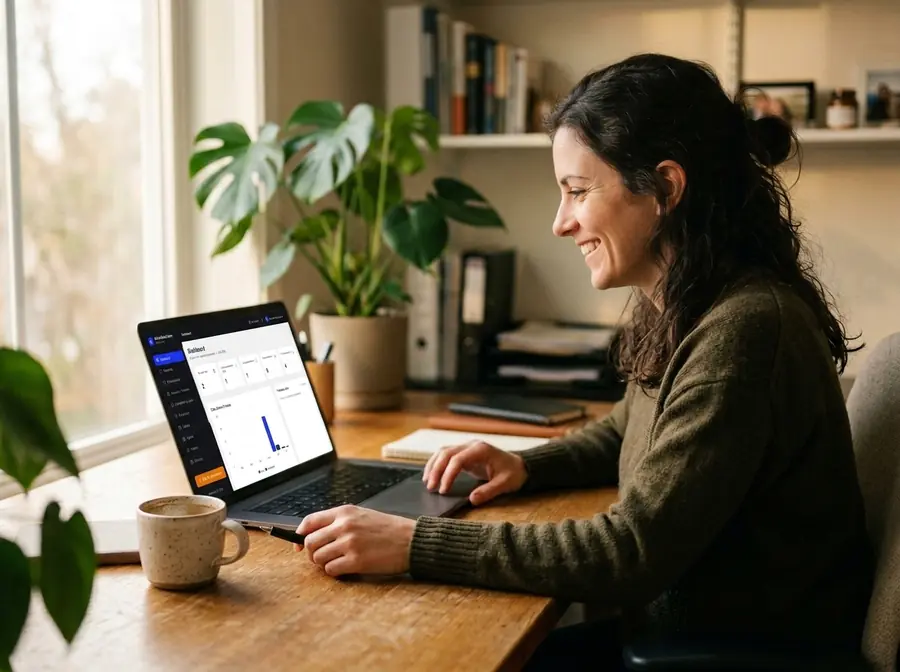

We built our own multi-tenant SaaS platform, and we're still running it in production with real clients — including Herpeñol and PSF — years after launch. If we keep ours alive, we'll keep yours alive too.
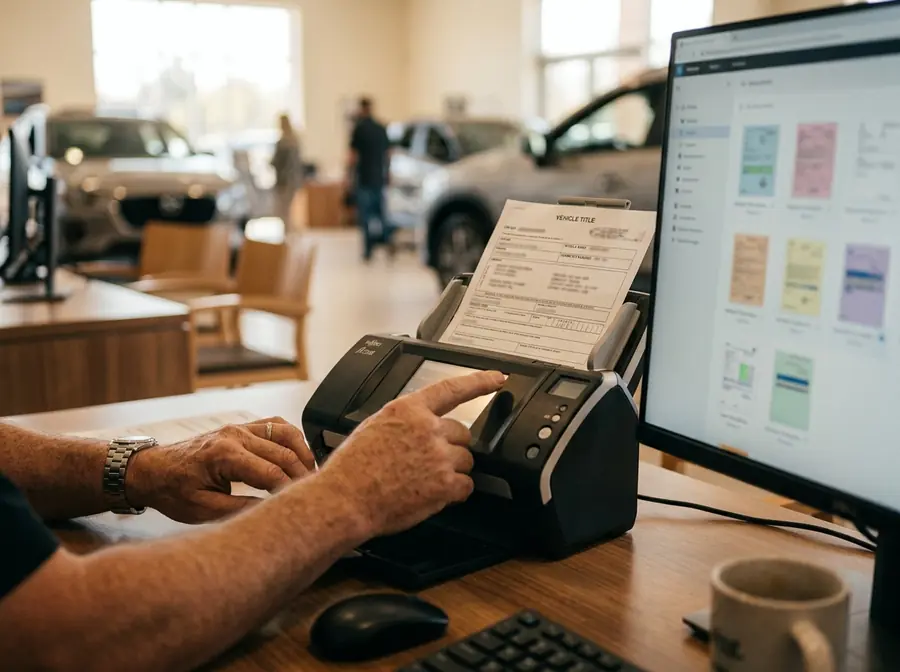

A system that turns the paperwork behind auto dealerships into organized, searchable digital records. Our own project, built and maintained end to end.


An operating system for grassroots and youth soccer academies: player profiles, attendance, KPIs, family communication, tournaments, and educational gamification in one platform.
Launch is the easy day. The hard part is keeping the system responsive once your business already depends on it — and that's where most teams hand over the keys and leave.
Not us: we operate what we build. We run our own platform in production, with real clients on it, so your system has a team behind it every day.
For you, that means one thing: you forget about the technology and focus on the business.

Depends on scope — a website or a single automation can take weeks; a full custom system, months. On the first call we give you a real estimate based on what you need, not a generic number.
It's why we run our own platform (Empoweros) in production every day — so we know exactly what it costs to keep software alive. We bring that same discipline to what we build for you: monitoring, maintenance, and steady improvement, not just a launch.
We've worked with regulated finance, auto dealerships, nonprofits, and civic organizations. The industry matters less than the problem: manual work, disconnected systems, or a previous vendor who didn't stay.
Twenty minutes, no sales pitch. You tell us what's holding you back and we tell you how we'd solve it — and if we're not the right team, we'll say so right there.
We'll tell you honestly on that first call. We'd rather do that than start a project we can't sustain long term.
It depends on the project's scope — we define it clearly before starting, no surprises or fine print.
In a 20-minute call we'll tell you how we'd solve it — and what it's costing you not to. No sales pitch, no commitment.
Book a 20-minute call